Abstract: This report describes a lesson study conducted with a Year 6 class at St Augustine College, Primary School, focused on teaching division through collaborative problem-solving. The lesson aimed to shift passive learners into active participants by engaging them in authentic tasks that required reasoning, group collaboration, and application of division concepts without relying on rote algorithms. Students worked in groups to complete two tasks: reconstructing a partially worked-out division problem and solving a riddle involving division. Observations highlighted increased student engagement, effective peer dialogue, and emerging use of mathematical language. Feedback from students and educators indicated that real-world contexts and open-ended tasks enhanced motivation and conceptual understanding. The experience also deepened teacher collaboration, improved lesson planning, and underscored the value of student feedback. This study demonstrates how lesson study can transform both teaching and learning by promoting reflective practice, instructional innovation, and meaningful student participation in mathematics.
Introduction
The research lesson, described in this report, was specifically designed to deepen the educators' understanding and refine instructional approaches for mathematics education. The primary aim was twofold:
Firstly, from the perspective of the educators, the lesson sought to investigate and implement targeted pedagogical strategies that effectively shifted passive learners into active participants within collaborative group activities. Concurrently, the educators aimed to cultivate students' proficiency in using precise and appropriate mathematical language when articulating the reasoning behind their problem-solving strategies, thereby enhancing their communication and conceptual clarity.
Secondly, for the students, the lesson aimed to empower them to confidently recall and accurately apply their knowledge of multiplication table facts to solve diverse division computations. Beyond mere calculation, the intention was to foster a genuinely positive attitude towards mathematics and the process of problem-solving, encouraging students to view challenges as opportunities for growth.
Furthermore, a key objective was for students to develop and demonstrate enhanced perseverance and resilience when encountering difficulties, and to learn to truly value the importance of collaboration and teamwork as essential tools for collective learning. Ultimately, this lesson was crafted to help students cultivate a robust growth mindset, enabling them to embrace learning from both their successes and, crucially, their mistakes, thereby building a foundation for continuous mathematical development.
The research lesson
This LS was initiated in direct response to identified pedagogical challenges concerning students' proficiency in division computations. Traditional instructional methods, often reliant on rote memorisation and algorithmic execution, were observed to yield a superficial understanding of division, leading to difficulties in application and critical reasoning.
Consequently, a deliberate shift was made towards a problem-solving pedagogical approach. This strategic redirection was underpinned by the recognition that a deeper, more enduring conceptual understanding of division could be cultivated through active engagement with authentic, real-world scenarios. This approach aims to surpass mere procedural fluency and inspire students to engage with meaningful contexts, develop critical thinking skills and explore multiple solution strategies.
By grounding division within practical problems, students can discern the relevance and utility of the operation, moving beyond abstract manipulation of numbers. Furthermore, the absence of a prescribed algorithm necessitates independent thought, encouraging students to analyse problems, identify pertinent information, and devise their own pathways to solutions. This methodology promotes cognitive flexibility, enabling students to discover and articulate diverse methods for solving division problems, thereby enriching their mathematical understanding and problem-solving repertoire.
Ultimately, this refined instructional strategy is designed to cultivate not only computational accuracy but also a robust conceptual foundation in division, empowering students to apply their knowledge adaptably and effectively in varied mathematical contexts.
The lesson study context
The school
St. Augustine College Primary Campus is a Catholic educational institution for boys aged five to eleven, accommodating approximately 432 students drawn from diverse localities across Malta. The campus is committed to an inclusive philosophy, extending a welcoming environment to students with varied needs, including those from expatriate families and students requiring specialised learning support. The school's academic structure comprises eighteen classes, with three parallel classes allocated to each year group from Year 1 to Year 6, ensuring a seamless academic progression to the College's Secondary Campus.
Located in Marsa, the campus is housed within a modern, three-story building. All eighteen classrooms are fully air-conditioned and equipped with interactive whiteboards, providing a conducive learning environment. The campus features a comprehensive array of specialised facilities designed to enrich the educational experience, including a well-equipped cooking room, a dedicated literacy room, a drama studio, a multisensory room, and specialized learning support spaces. Further enhancing its provisions, the campus includes science and computer laboratories, a boardroom, a recently established "Make Believe" room, a library, and a Movement Room. The architectural design of the school prioritizes accessibility, featuring spacious, well-ventilated corridors and a central courtyard that fosters an open and collaborative atmosphere.
The curriculum at St. Augustine College Primary Campus is comprehensive and robust, encompassing core subjects such as Mathematics, English, Maltese, Religion, Science, and Social Studies. Complementing these foundational areas, the curriculum also integrates essential 21st-century skills and diverse disciplines, including Information Technology/Digital Learning, Physical Education, Drama, Art and Craft, and foreign language instruction, with Italian, German, and French offered to students in Years 5 and 6.
The students
The class selected for this lesson presents a Year 6 class of diverse range of student achievement levels in Mathematics. While a small number of students demonstrate high proficiency, and a few others experience considerable challenges with the subject, the majority perform at an average level. Behaviourally, the class generally exhibits good conduct, though some students occasionally encounter difficulties with attention or sustained motivation. Despite these varied profiles, a significant portion of the learners display genuine interest and a strong desire to deepen their mathematical understanding. This specific class was chosen precisely because its heterogeneous mix of learning needs and motivational levels offers an ideal environment for investigating and implementing diverse pedagogical strategies.
The students had previously engaged with the topic of division, yet their teacher had noted a significant lack of conceptual understanding. Through this LS, the subject was revisited using a fundamentally different approach. Students were empowered to become masters of their own learning process by being presented with problem-solving tasks. Essentially, while the lesson served as a revision, its more crucial objective was to re-engage with a previously challenging topic, thereby enhancing student comprehension and promoting greater mastery.
The team members
LS Coordinator: The coordination of this Lesson Study greatly benefited from the substantial support provided by the Head of School, Ms. Bernardette Mercieca. She meticulously facilitated the scheduling of meetings and arranged for the necessary classroom coverage, ensuring that participating educators could attend discussions and observe the lesson delivery without disruption to their teaching duties. Furthermore, drawing upon her own extensive experience with Lesson Study methodologies, Ms. Mercieca offered invaluable guidance when challenges arose, adeptly directing the team and facilitating connections with other experts.
LS Facilitator: Ms. Doronia Cortis, the Deputy Head responsible for the Year 6 cohort and the overseeing of mathematics planning across the primary years within the school, facilitated LS. Upon receiving the invitation to participate in the INSOLVU project, Ms. Cortis assumed the critical role of engaging educators. This involved presenting a comprehensive overview of the project's scope and objectives to gauge their willingness to contribute.
Following the establishment of the team, Ms. Cortis' responsibilities evolved to encompass the structured organisation and leadership of all subsequent meetings. She guided discussions using targeted prompts that fostered a collaborative environment and encouraged open idea-sharing while ensuring adherence to the agenda. Furthermore, she recorded meeting minutes and prepared future agendas, which proved instrumental in maintaining the project's momentum. Recognising the logistical challenges posed by time constraints, which often limited the duration and depth of face-to-face discussions, Ms. Cortis proactively established a dedicated Microsoft Teams group. This digital platform served as an invaluable extension for ongoing discourse and a central repository for sharing relevant resources, thereby mitigating the impact of meeting scheduling difficulties.
Teacher: Ms. Daniela Buttigieg, an educator with five years of experience teaching Year 6 students, undertook her first scholastic year instructing mathematics during this period, having previously taught English. Following the discussion of roles within the Lesson Study, Ms. Buttigieg expressed a keen interest in delivering the research lesson to a Year 6 class. Her rationale for this decision was twofold: she sought constructive feedback on her instructional delivery from the two other educators involved in mathematics planning, and, as a relatively new mathematics instructor, she viewed this opportunity as invaluable for learning effective pedagogical strategies and reflecting on methods to enhance her practice.
During the lesson delivery, Ms. Buttigieg demonstrated commendable proficiency. Her explanations of the tasks were notably clear, and she effectively circulated among students, providing targeted assistance as required.
Observers: To ensure comprehensive benefit for the school from this Lesson Study initiative, educators responsible for mathematics planning in Years 4 and 5 were strategically engaged as observers. Ms. Keana Magro, a Year 4 teacher, and Ms. Hannah Buttigieg, a Year 5 teacher, both responded with considerable enthusiasm when invited to participate. They demonstrated a thorough understanding of the Senior Leadership Team's (SLT) vision regarding their potential to learn from this iterative process and subsequently integrate effective strategies identified within this study into their own pedagogical practices.
Their collective expertise and insights were instrumental in shaping a robust and well-conceived lesson plan. Furthermore, their involvement in this project provided them with a profound realisation of the significant positive impact that teaching through a problem-solving approach can have on student learning and engagement.
Knowledgeable other: This LS benefited significantly from the involvement of Ms. Aliceanne Micallef, a Numeracy Support Teacher from SfCE, who routinely provides specialised assistance to our educators in mathematics planning. Ms. Micallef's participation was integral throughout the entire process; her extensive experience in the field made her an invaluable resource during the planning phase, offering crucial insights as a knowledgeable external expert. Subsequently, she also served as an astute observer during the actual lesson delivery.
The lesson study process
The meetings
|
Date |
Points discussed |
|
27/11/2024 |
Introduction
|
|
08/01/2025 |
Identification of an issue:
|
|
15/01/2025 |
Lesson planning – Part 1
|
|
22/01/2025 |
Lesson Planning – Part 2
|
|
14/02/2025 |
Observation Sheet and Feedback Form
|
The problem-solving task
Task 1: Finding missing numbers in a worked-out division problem
This activity engaged students in analysing a partially completed division problem. This required them to apply logical thinking and mathematical reasoning to deduce missing values from existing information, followed by verifying their solutions through calculation. Crucially, this task fostered collaborative problem-solving, as students worked in groups to discuss strategies, articulate their thinking, consider diverse perspectives, and negotiate towards a consensus, thereby strengthening their communication and teamwork skills.
Task 2: Challenge – solving a division riddle
This task pushed students to apply more advanced critical thinking and reasoning. Here, students had to interpret clues within a riddle, deciphering its meaning to determine a hidden number using their understanding of division. This encouraged them to think creatively and explore various problem-solving approaches. Like the first task, collaboration was key, allowing students to share ideas and strategies, challenge each other's thinking, and collectively support group members in overcoming difficulties to solve each riddle.
The lesson plan
Lesson Warm-Up (2 minutes)
Teacher calls out 6 easy multiplication sums:
5 x 2 = 10, 5 x 5 = 25, 3 x 3 = 9, 6 x 7 = 42, 9 x 8 = 72, 4x 7 = 28
Students are instructed to write their answers on their mini whiteboards.
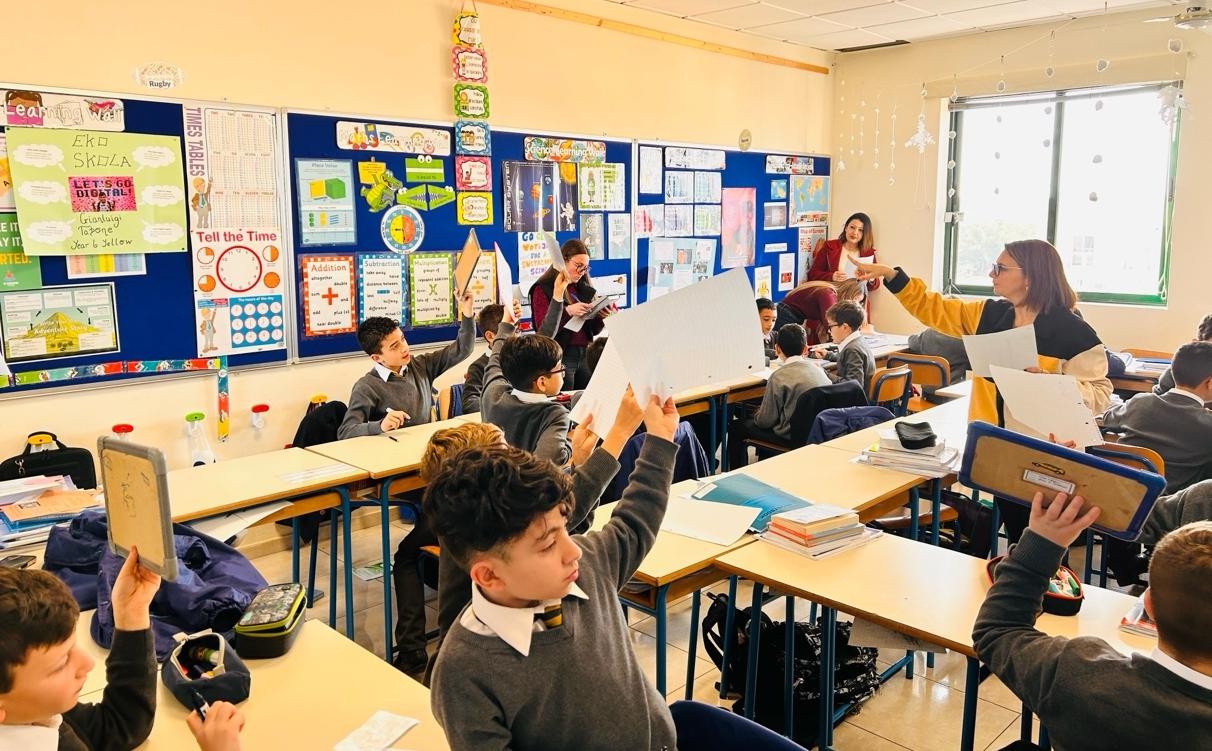
Lesson Introduction (5 minutes)
Teacher writes the word ‘division’ on the board and invites students to discuss the use of division in everyday life. Examples: dividing a pizza among friends, sharing candies, calculating time, splitting bills, etc.
Teacher elicits responses from students.
She then explains that the reason why she is asking about division is because she got stuck on a particular level of Minecraft and must complete a division calculation to fill up her experience bar and move up to the next level.
Teacher presents task 1 on the interactive whiteboard – a partially completed division calculation, with key numbers or steps intentionally omitted.
Lesson Development – Group Activities (30 minutes)
Task 1
Students are divided into six groups of 4 and given 10 minutes to complete the task.
Students are encouraged to work collaboratively within their groups to identify the missing elements and reconstruct the complete solution.
Guidance and support are provided to all learners as needed.
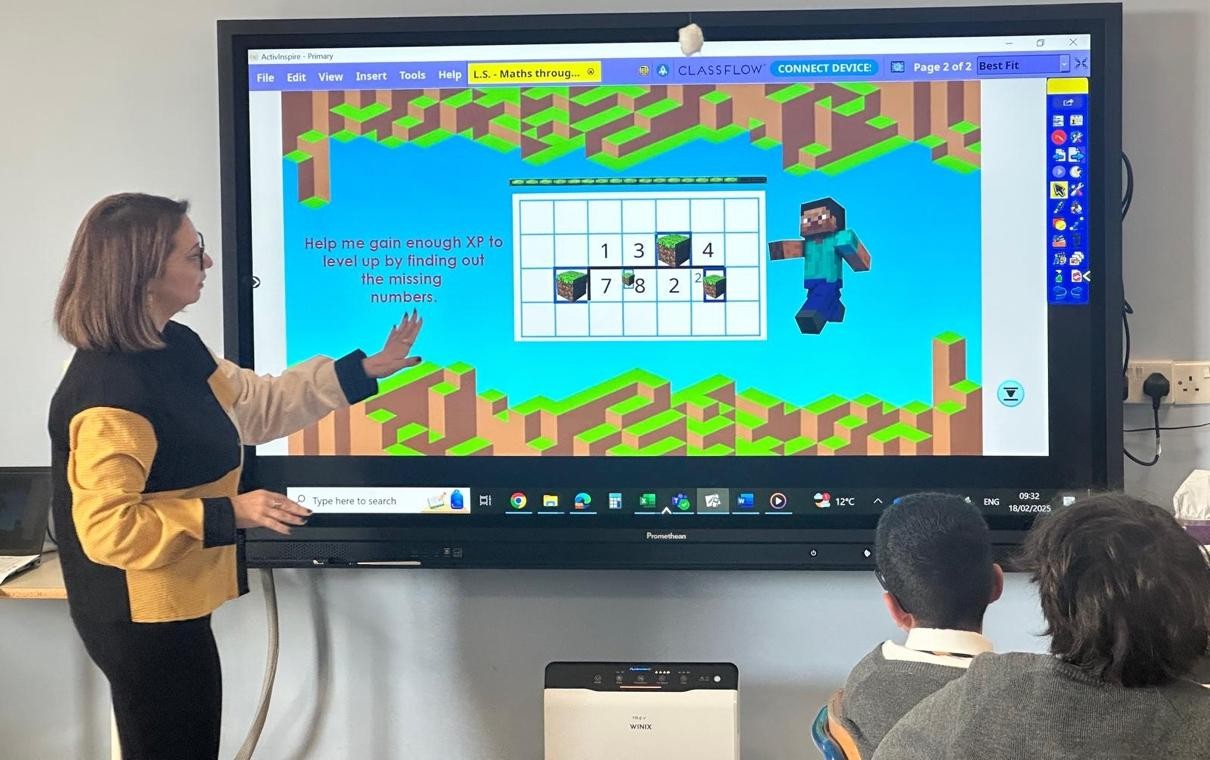
Task 2
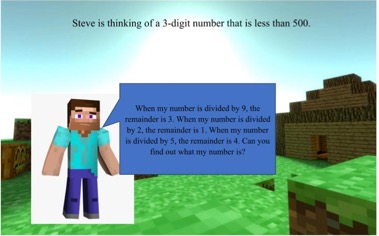
Upon successful completion of Task 1, each group is presented with a 'Challenge Envelope.' This envelope contains a series of division-related riddles.
Group members are encouraged to working collaboratively to solve the riddles and determine a suitable number.
The time allocated for this activity is 15 minutes.
Group Presentations (10 minutes)
Each group presents their solutions and explains their problem-solving strategies.
Encourage questions and feedback from peers.
Closure - Plenary Session (10 minutes)
Reflection Discussion
Facilitate a class discussion on the strategies used and challenges faced. Ask students to share one thing they learned about division and problem-solving.
Exit Tickets
Distribute exit tickets with prompts such as:
- "What was the most challenging part of today's lesson?"
- "How did your group work together to solve the problems?"
- "What is one question you still have about division?"
Assessment
Observe group interactions and problem-solving approaches.
Review exit tickets to gauge individual understanding and reflections.
Differentiations and Adaptations
During the warm-up activity some students might still lack fluency in multiplication facts. The students will be put in mixed ability groups so that when one gets stuck, peers support him.
Students may not use the correct terminology to explain their thinking. In such cases teacher acknowledges the contributions made but rephrases them using the correct terminology.
In Task 1, it is anticipated that some groups may not complete the initial task within the allotted timeframe and given the complexity of the subsequent task, dedicating extended time for discussion of the first task may not be feasible. To foster collaborative learning, the discussion will begin by inviting groups who encountered challenges with the computation to share their experiences. This will allow the class to collectively explore the obstacles faced and identify potential strategies for overcoming them. Subsequently, groups who successfully solved the computation will be encouraged to present their solution strategies, enriching the learning experience for all.
Since Task 2 is considerably more open ended, students might not manage to complete it in a timely manner or feel overwhelmed by the number of options they need to try out before they can narrow down their choices. If none of the groups successfully solve the riddle within the allotted time, a modified approach will be implemented. Students will be presented with a multiple-choice option, including two correct and two incorrect answers. They will be given an additional two minutes to analyse the options and identify the correct solutions.
During group presentations, some students may lack confidence. They may feel anxious or nervous about presenting their work to the class, which can hinder their ability to communicate effectively. Students may struggle to answer questions from their peers, especially if they are asked to elaborate on their reasoning or address alternative approaches. Others may have difficulty accepting constructive criticism or incorporating feedback from their peers into their understanding. Some students may struggle to articulate their problem-solving process clearly and concisely. They may use vague language, jump to conclusions, or have difficulty explaining their reasoning. They may also struggle to present their ideas in a logical and coherent manner while making use of the correct mathematical vocabulary to explain their strategies. This might lead to confusion among their peers. To address these challenges proactively, the teacher:
- Provides clear and concise instructions for the presentation
- Models effective presentation skills for students
- Encourages the use of visual aids (i.e. use of the interactive whiteboard)
- Creates a supportive and encouraging classroom environment where students feel comfortable sharing their ideas and asking questions
- Provides specific and constructive feedback to students during their presentations.
During the reflective discussion, students may struggle to articulate their learning in a clear and concise manner. They might have difficulty identifying the key concepts they learned or expressing their understanding in a meaningful way. Some students may feel hesitant to participate in the class discussion, either because they are shy, lack the confidence, or find it difficult to articulate their thoughts. A few students may dominate the discussion, while others remain silent or disengaged. To mitigate these challenges, the teacher shall use strategies that encourage all students to participate such as think-pair-share, round-robin sharing, or using hand signals so that all students have an opportunity to contribute to the discussion.
Some students may struggle to express their thoughts and reflections in writing during the Exit Ticket activity, particularly if they have limited writing skills. Student responses may be vague, unclear, or incomplete, making it difficult for the LS team to assess their understanding and identify areas for improvement. Some students may rush through the exit tickets without giving them proper thought, leading to superficial and uninformative responses.
To mitigate these challenges, the teacher shall give clear and concise instructions that outline the expectations for the discussion and the exit ticket activity. She will also provide visual cues or prompts to help students organise their thoughts and express their ideas more effectively. Teacher will also provide individual support to students who are struggling to articulate their thoughts or complete the exit ticket. Lastly, she will model desired responses by providing examples of clear and insightful responses to the reflection questions and exit ticket questions.
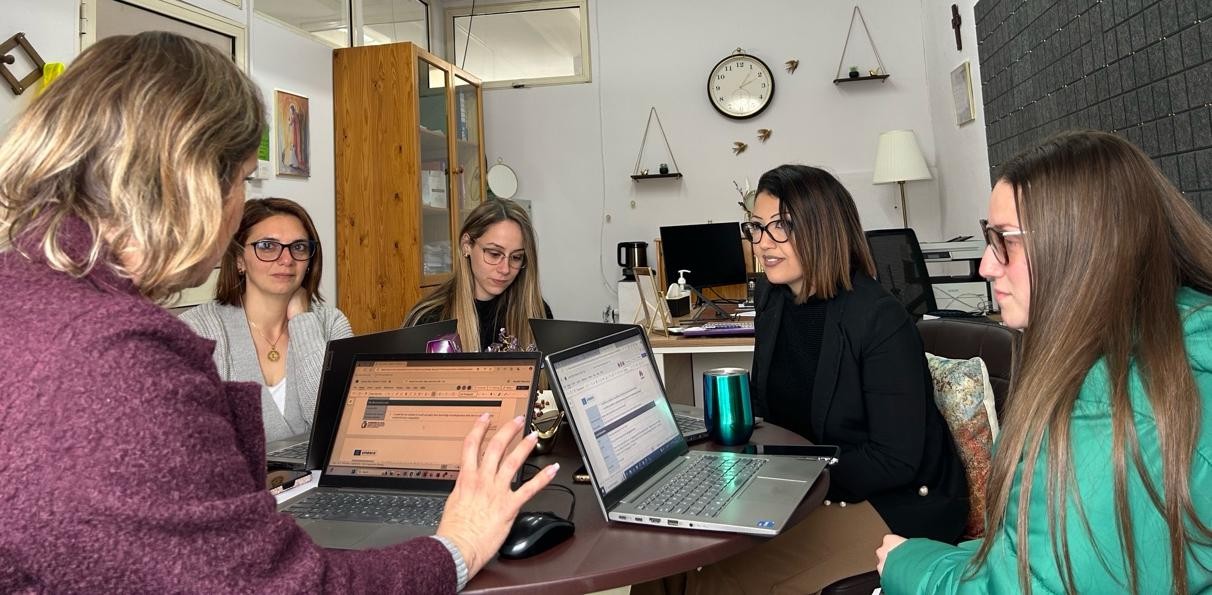
Post-lesson discussion outcomes
The lesson proved to be largely successful in achieving its objectives. The initial warm-up activity effectively served a dual purpose: it successfully transitioned students into a focused mindset for the upcoming lesson and simultaneously activated prior knowledge to approach the subsequent problem-solving tasks.
Following this, the introduction of the term "division" on the interactive whiteboard prompted a class discussion on its real-world applications. This segment functioned as a rapid recall of the previously addressed topic, allowing the teacher to address and clarify common misconceptions (e.g., misattributing change calculation to division) and enabling students to contribute relatable examples, such as halving a recipe, thereby enhancing the lesson's relevance.
Subsequently, Task 1, involving the collaborative solution of a partially completed division problem, was projected. Students worked in groups of four for ten minutes. This task was designed with high student relatability in mind, garnering significant interest. However, it became apparent that the task was somewhat straightforward for many groups, with most completing it well within the allotted time. This indicated a missed opportunity for further engagement for the more advanced learners, who would have benefited from an extension. Furthermore, its simplicity limited the depth of discussion and the challenging of ideas within groups. Nevertheless, it effectively served as a foundational and preparatory step for the subsequent, more complex problem-solving activity.
Next, each group received a 'Challenge Envelope' containing a series of division-related riddles, requiring collaborative effort for fifteen minutes to determine suitable numbers. This task proved to be notably more open-ended, as multiple numbers often satisfied the riddle's criteria. The diversity in solutions across groups significantly enriched the subsequent class presentations and discussions. The increased difficulty of this task, requiring even gifted students to engage in more extensive processing and exploration of plausible solutions, fostered robust and productive exchanges within the groups.
Following the completion of both tasks, a comprehensive class discussion was facilitated. Groups that did not complete the tasks were invited to articulate the challenges they encountered, while successful groups offered insights into potential strategies for overcoming such difficulties. This interactive segment promoted critical comparison of solutions and explanations of differing approaches, leading students to appreciate the multifaceted nature of problem-solving.
The lesson concluded with a reflective discussion and the distribution of 'Exit Tickets.' These short questionnaires gathered valuable feedback for the Lesson Study team regarding students' preferences and perceptions of the lesson. The feedback largely indicated high enjoyment. Interestingly, while most students found the second task more challenging, a minority found the first task more difficult, underscoring the critical importance of incorporating a variety of task complexities to cater to diverse learning preferences. Some feedback also highlighted interpersonal challenges within groups, suggesting the necessity of flexible and varied grouping strategies for future collaborative activities.
Crucially, this lesson provided significant insights into classroom management during group work. It demonstrated that when students are presented with appropriately challenging problem-solving tasks, situated within engaging and relatable contexts, their level of engagement and commitment to task completion can surprise educators, effectively mitigating common concerns regarding classroom noise and manageability.
Main takeaways
The LS team gained invaluable insights from this intensive collaborative experience, significantly deepening their understanding of pedagogical effectiveness and student engagement. Moving forward, the team aims to build upon these foundational learnings by integrating successful strategies into broader practice and continuing their collective professional development journey.
During the lesson delivery, all team members directly observed the efficacy of adopting a problem-solving approach and the power of context and relevance in mathematical instruction. Re-visiting a previously challenging topic through problem-solving tasks profoundly deepened student understanding and mastery, surpassing superficial recall. Furthermore, the educators learned that connecting mathematical concepts to real-life applications not only enhances lesson relevance but also effectively clarifies misconceptions.
The educators also developed a critical understanding of the importance of providing a variety of tasks with differing levels of challenge. This approach is essential for catering to the diverse needs and preferences of learners within a single classroom, ensuring all students remain engaged and stimulated. While a straightforward task can serve as effective preparation, more open-ended and cognitively challenging problems proved crucial for fostering deeper discussions, critical thinking, and sustained engagement, particularly among higher-achieving students.
A significant takeaway for educators was the realisation of the valuable insights obtainable from student feedback, highlighting the importance of giving students a voice. The team observed how tasks providing sufficient cognitive challenges are essential for fostering genuine discussion, peer-to-peer challenge, and the exploration of multiple solution strategies within groups. Opportunities for such deep discourse also aid and enhance students’ self-expression skills. Moreover, student feedback, particularly through methods like 'Exit Tickets,' proved vital for revealing diverse learning preferences, perceived task difficulty, and specific needs, including issues related to group dynamics. These immediate, actionable insights into student perceptions are invaluable for informing future pedagogical adjustments and driving continuous improvement. The feedback also explicitly highlighted the necessity for teachers to experiment with and refine grouping strategies to optimize collaborative learning and mitigate interpersonal challenges.
Beyond the classroom, this study underscored the profound value of collaborative reflection among educators. The structured observation and post-lesson discussions facilitated a rich exchange of insights into student thinking and effective teaching strategies. Crucially, this study definitively demonstrated that well-designed, contextually relevant, and appropriately challenging problem-solving tasks can remarkably enhance student engagement and commitment during group work, effectively mitigating common concerns about classroom noise and classroom manageability.
Participants’ reflections and considerations
Ms. Bernardette Mercieca – Head of School
This year’s lesson study experience was a truly rewarding professional development opportunity. It was a joy to observe our teachers collaborating so purposefully around an identified area of need – one that resonated deeply with their classroom realities.
The relevance of the focus gave the work genuine meaning, and it was encouraging to see them engage enthusiastically as a cohesive team, alongside the Deputy Head. Their collective effort and shared insights not only strengthened their practice but also reinforced the value of collaborative learning.
My role in supporting and encouraging them throughout the process felt both necessary and fulfilling. Opportunities like this are a real asset to our professional growth – it's just unfortunate that time constraints limit how often we can engage in such impactful and meaningful work.
Ms. Doronia Cortis – Deputy Head of School
Leading this Lesson Study marked a significant first for me as Deputy Head, offering a unique vantage point on pedagogical development. Stepping into the role of facilitator and observer, rather than just an administrator, provided invaluable insights into the intricate dynamics of classroom instruction and student learning. Witnessing the problem-solving approach unfold firsthand and then engaging in the subsequent rich discussions with the teaching team, profoundly deepened my understanding of effective teaching strategies and student engagement.
This experience not only enhanced my ability to guide collaborative professional development but also directly reinforced my commitment to fostering innovative practices that genuinely improve students' educational experiences. It was a powerful reminder of how collective reflection, grounded in observable classroom practice, can drive meaningful change across the school.
Ms. Daniela Buttigieg – Teacher teaching the research lesson
Participating in this lesson study was a truly eye-opening experience for me as an educator. It gave me the opportunity to step back and reflect not just on how I teach, but on how my students learn—especially when it comes to a topic like division, which many find challenging.
One of the most valuable takeaways for me was seeing how much more engaged students became when the lesson was framed around a real-life context. Using a scenario like progressing through a Minecraft level made the learning feel relevant and exciting. It reminded me that when students are emotionally invested in a task, their willingness to persevere and collaborate increases significantly.
I also learned a lot about the power of group work. Watching students support one another, explain their thinking, and even challenge each other’s ideas was incredibly rewarding. It made me realize that learning doesn’t always have to come directly from the teacher; sometimes the richest learning happens between peers. This has encouraged me to create more opportunities for structured collaboration in future lessons. Another area of growth for me was in encouraging the use of mathematical language. I noticed that some students struggled to express their reasoning clearly, and this highlighted the importance of modelling precise vocabulary and giving students the tools to communicate their ideas effectively. I now see how essential it is to build this skill gradually and consistently.
Perhaps the most important lesson I learned was about my own mindset. I went into this lesson study hoping to find ways to engage passive learners, and I came out of it with a deeper appreciation for the small shifts that can make a big difference, like changing the format of a task, asking more open-ended questions, or simply giving students more time to think and talk.
Overall, this experience has strengthened my belief in the value of reflective practice and collaborative planning. It has inspired me to continue experimenting, listening to my students, and learning alongside them.
Ms. Hannah Buttigieg – Observer
Participating in the INSOLVU Maths Lesson Study has given me a lot to reflect on as an educator. Although I took on the role of an observer during the actual lesson, I appreciated the opportunity to contribute during our preparation meetings. It was interesting to talk through how students might respond, think about any challenges that could arise, and come up with ideas together on how to support them.
What stood out most was the collaborative aspect of the process. Given how packed our daily schedules are, we rarely find time to come together and have in-depth conversations about teaching strategies. This experience allowed us to share our ideas and design a lesson that reflected our shared knowledge and various perspectives.
One thing that really stood out to me was realising that I sometimes underestimate what my students are capable of. I tend to simplify tasks to make sure everyone understands, but I’ve learned that in doing so, I might be holding some students back from pushing themselves and thinking more deeply. Observing the lesson was eye-opening as some students completed the task in just a couple of minutes, despite our assumption that it would take them much longer. It really made me rethink my approach and reminded me how important it is to give all students the chance to challenge themselves and think more deeply.
Ms. Keana Magro – Observer
Although I took part in the lesson study as an observer, I was involved in the collaborative planning process with the rest of the team. As this was my first experience with a lesson study, I found it both enlightening and, at times, a bit challenging—but overall, incredibly rewarding. One of the aspects I found most fascinating was observing how differently students approached the same problem, each finding their own way to reach the final answer. This really highlighted the importance of designing lessons that are more student-centred, something I’m now more inspired to incorporate into my planning for the next scholastic year.
Working with a new group of colleagues for the first time was also a valuable part of the experience. I gained fresh insights into how lessons can be made more engaging and effective, and I truly appreciated the different perspectives everyone brought to the table. As an observer, it was particularly encouraging to see how engaged the students were from the very beginning of the lesson—largely thanks to the use of Minecraft, a theme that clearly resonated with them. Of course, one of the main challenges we faced was finding the time to meet and reflect together. Interestingly, one unexpected moment during the lesson was how quickly some student groups managed to solve the task—faster than I had anticipated.
Ms. Aliceanne Micallef – Knowledgeable Other
Participating in a lesson study was a unique and enriching professional journey. Though I had always been interested in the concept, this was my first opportunity to take part—and I embraced it fully. Lesson study is not simply about delivering a lesson; it is a collaborative research process that involves co-planning, observing, and reflecting on a carefully designed “research lesson” with clear goals. It requires commitment, deep thinking, and a willingness to work as a team. One of the biggest challenges was scheduling. Each participant had their own commitments, and finding time to meet required cooperation and flexibility. But this only emphasized the importance of team effort and mutual respect. Everyone’s voice matters, and lesson study only works when all participants feel valued and involved.
The process itself was detailed and reflective, and involved:
- Setting a long-term goal
- Designing a targeted lesson with clear learning objectives
- Predicting possible student challenges
- Teaching the lesson with peers observing
- Engaging in post-lesson analysis and devising a plan forward.
Being part of this reflective cycle gave me new insights into planning and pedagogy. I began to think more critically about my own practices and saw the power of collective thinking. Even as someone external to the school, I was made to feel part of the team—an experience that helped build bridges between professionals and institutions. Ultimately, lesson study reaffirmed for me that being a good educator isn’t just about teaching—it’s about constantly reflecting, growing, and adapting. It’s about being in tune with your learners, your goals, and the ever-changing classroom landscape. Lesson study is a powerful tool for meaningful professional development—and I look forward to exploring it further.

The lesson study work, presented in this report, was possible thanks to the support received within the school’s participation in the INSOLVU project.
Special thanks also go to the following organisations:
Directorate for STEM and VET programmes within the Ministry for Education, Sport, Youth, Research and Innovation
Collaborative Lesson Study Malta (www.clestum.eu) within the Faculty of Education, University of Malta


UNESCO Office in Venice Huawei Technologies


Appendices
Appendix I – Observation Sheet
|
Yes |
No |
Comments/How is it evident? |
|
|
Phase 1: Introduction |
|||
|
Contribute ideas |
|||
|
Engaged in task |
|||
|
Phase 2: Individual work |
|||
|
Understands what to do |
|||
|
Struggles |
|||
|
Offers a comment or idea |
|||
|
Phase 3: Group-work |
|||
|
Contribute ideas to the group |
|||
|
Challenge ideas of others |
|||
|
Explain their thinking |
|||
|
Phase 4: Whole-class presentation of work and ideas |
|||
|
Present ideas to whole class |
|||
|
Explain their ideas clearly |
|||
|
Question work presented |
|||
|
Phase 5: Closure (Teacher summary of the main points) |
|||
|
Understand topic discussed |
Appendix 2 – Student Feedback Form (Exit Ticket)
Your Feedback. For each statement, please shade one face:
I liked the first problem that the teacher gave us

I liked working on the first problem with others on the first problem with others
I felt confident working on the first problem
I liked the second problem that the teacher gave us
I liked working on the second problem with others
I felt confident working on the second problem
Our group worked well together
We listened to each other’s suggestions and opinions
Rate how challenging this lesson was for you
I learned something new from this lesson
I would like more lessons like the one we did today
Describe your experience doing this lesson.
What was the most challenging part of today’s lesson. Explain your answer.
If you had to change a part of this lesson, which part would you change and how would you change it?
Appendix 3 – Photographs from the lesson delivery
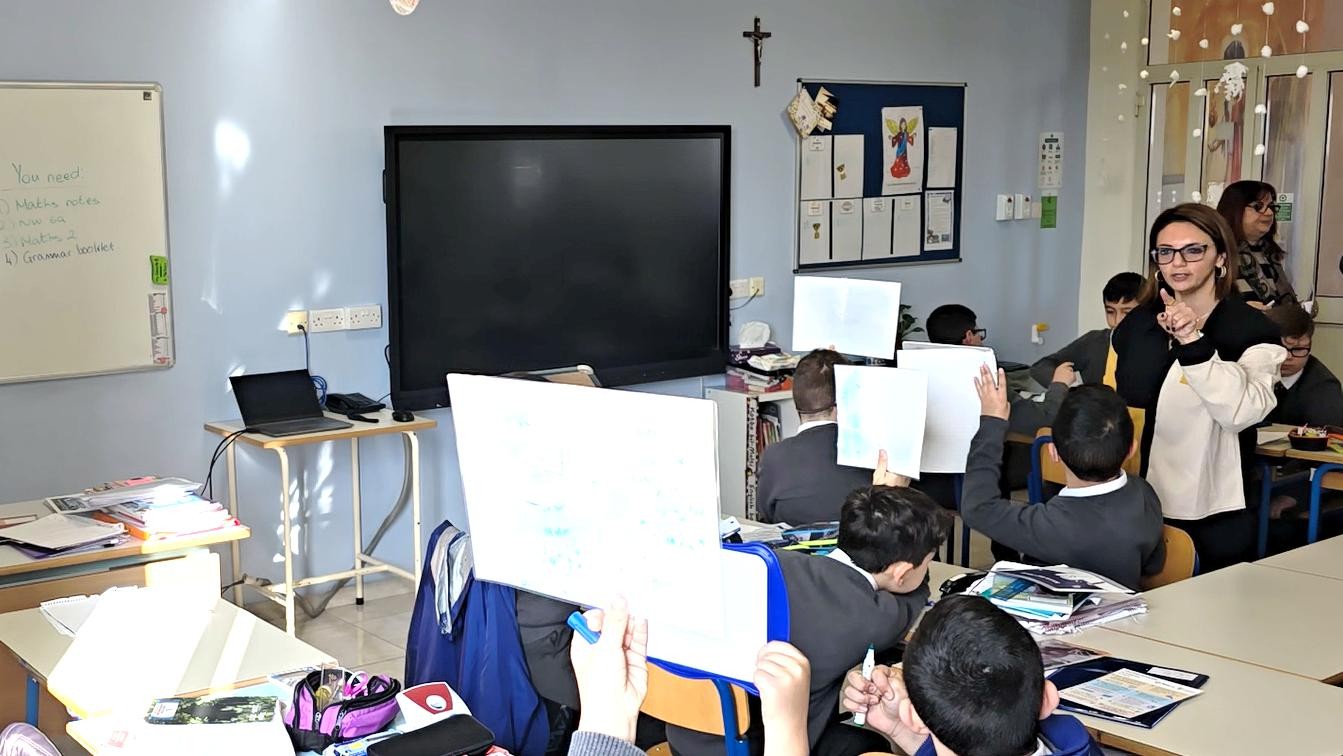
Figure 1: Warm-up Activity
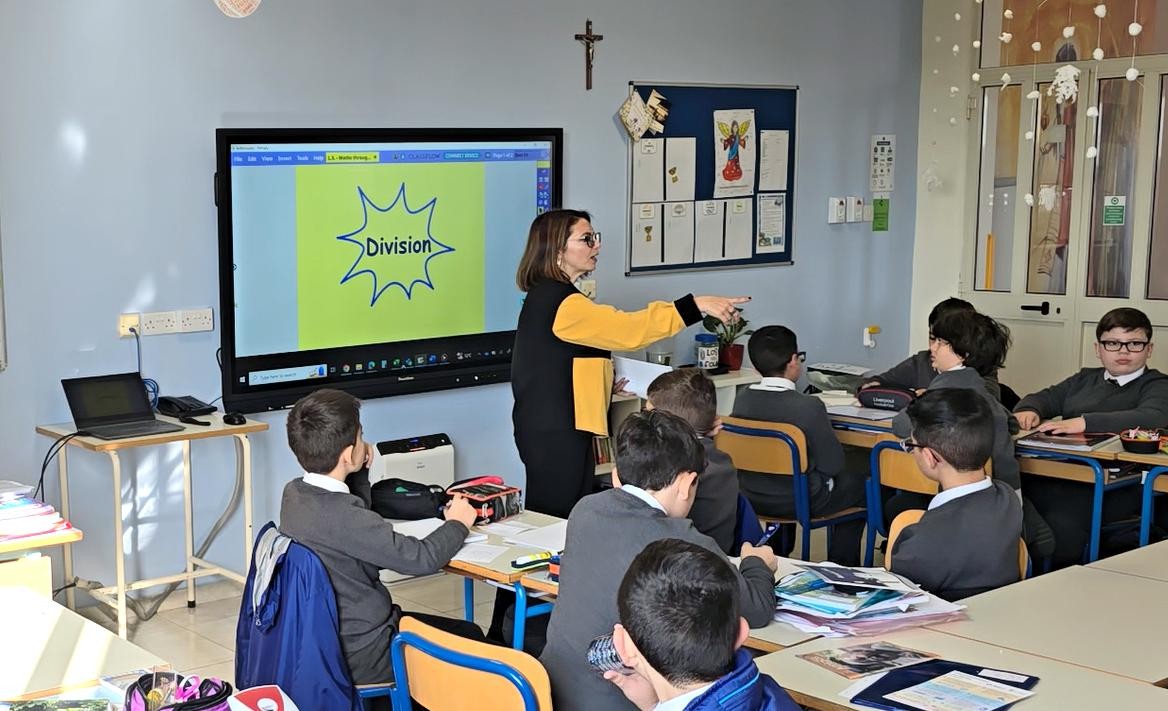
Figure 2: Introduction - Discussing use of division in real life.
Figure 3: Finding missing numbers in a worked-out division problem
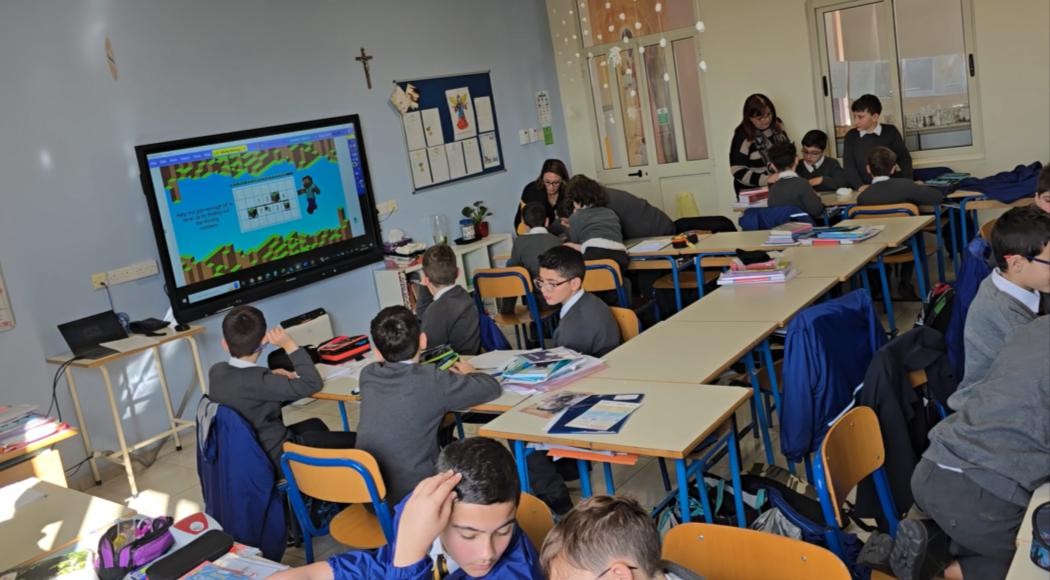
Figure 4: Students working out Task 1 in groups
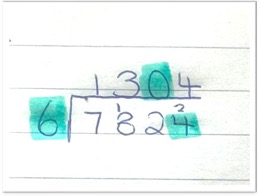
Figure 5: A worked-out example of Task 1
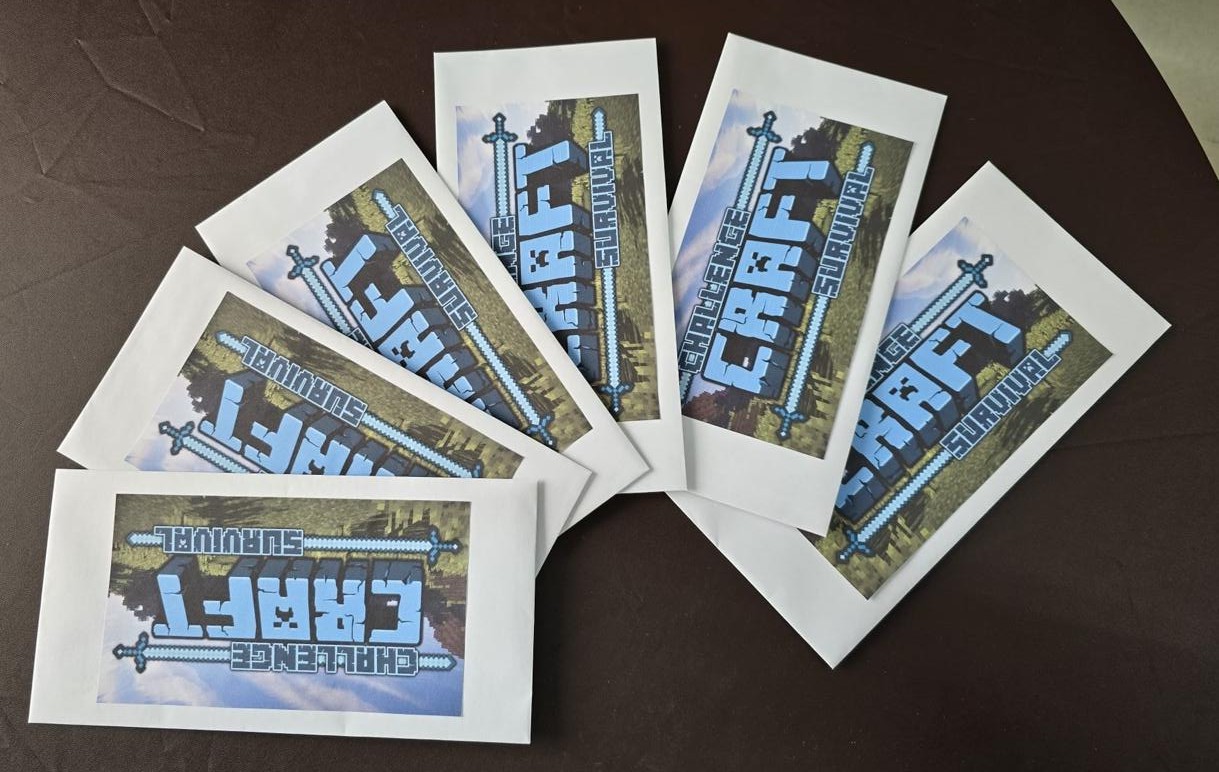
Figure 6: Task 2 - Challenge Envelope
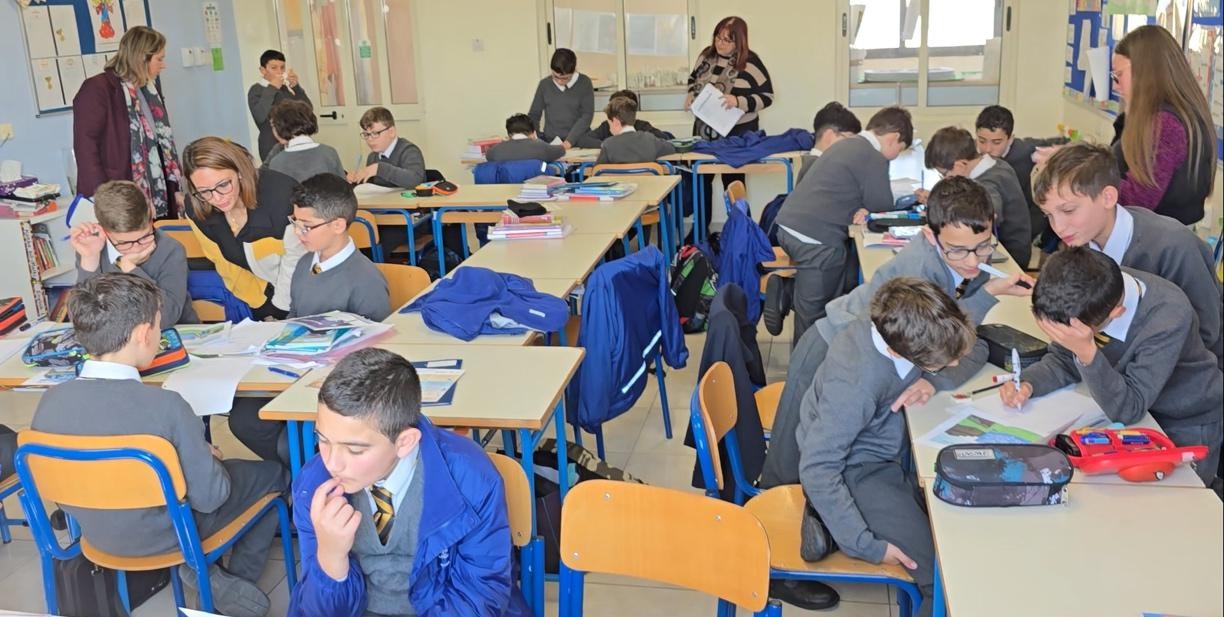
Figure 7: Students working on Task 2 in groups
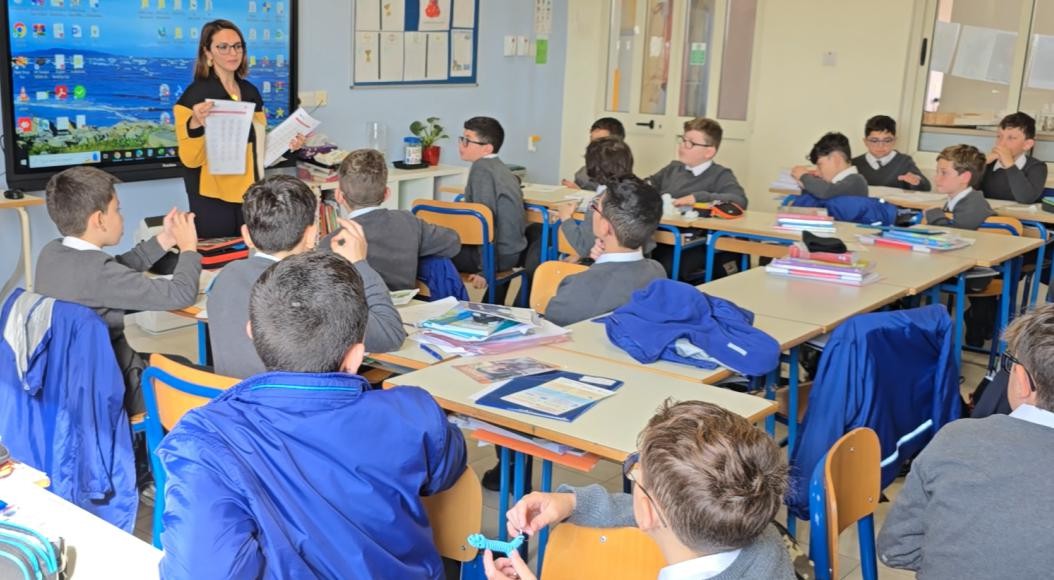
Figure 7: Exit Tickets